



Bundle Policies for Savings: A Smarter Way to Lower Costs Without Cutting Coverage
Most people overpay for insurance without realizing it.
Not because they chose the wrong company—but because their policies are structured inefficiently.
Home insurance here. Auto insurance there. Maybe another policy somewhere else. Different providers. Different billing cycles. Different systems.
Individually, each one seems fine.
But together, they often create unnecessary cost and fragmentation.
That’s where bundling becomes one of the simplest—and most overlooked—ways to save money without reducing protection.
At its core, bundling is straightforward:
Combine multiple insurance policies under one provider to reduce overall cost and improve efficiency.
But when done correctly, it’s more than just a discount strategy.
It’s a financial optimization tool.
Why Bundling Exists
Insurance companies reward bundled customers because they’re easier to manage and more likely to stay long-term.
That efficiency translates into discounts from providers like Allstate.
But here’s the key:
Bundling savings aren’t automatic—they depend on how well your policies are set up together.
What It Means to Bundle
Home insurance
Auto insurance
Sometimes life or additional coverage
…under one provider.
This leads to:
Lower overall premiums
Simpler management
More importantly, it shifts your approach from managing policies individually → to optimizing them as one system.
Why People Overpay Without Bundling
At its core, a properly structured auto insurance policy has three primary purposes:
When policies are split across different companies:
You miss multi-policy discounts
Providers can’t optimize coverage together
Premium tiers and savings thresholds go unused
Small inefficiencies build up over time
It’s not obvious—but it adds up.
How Bundling Actually Saves Money
Multi-policy discounts
Immediate premium reductions when policies are combinedBetter pricing models
Bundled customers are seen as lower risk, which can improve ratesOperational efficiency
Fewer accounts and systems reduce overall cost structures
Beyond Savings: Simplicity & Control
Bundling also improves how your insurance works:
One point of contact
One billing system
Easier renewals and reviews
Clear view of total insurance spend
It’s not just cheaper—it’s cleaner.
When Bundling Makes Sense
Bundling is especially effective if you:
Own both a home and a vehicle
Use different insurers today
Haven’t reviewed policies in a while
Want to reduce expenses without changing coverage
What Bundling Is NOT
It’s not guaranteed cheapest pricing
It’s not a replacement for proper coverage review
It’s not about cutting protection to save money
The goal is efficiency—not compromise.
The Right Way to Approach It
Review your current policies
Identify overlaps or gaps
Compare bundled vs. separate setups
Focus on total value (cost + coverage + flexibility)
Final Thought: Structure Drives Savings
The biggest insurance savings don’t always come from new policies—they come from better organization.
Bundling works because it replaces fragmentation with structure.
And in insurance, structure is what drives long-term efficiency.
👉 If your home and auto policies are separate, a quick review could reveal easy savings—without changing the protection you rely on.
About the Author
Sean Cohen is a local insurance agent with Allstate, serving clients in his community and helping individuals and families better understand their coverage options—from home and auto to life and business insurance. He focuses on simplifying policy details, identifying potential gaps, and guiding clients toward protection that fits their needs.
Visit Sean’s Allstate Agency Page: Sean Cohen
Here For You When It Matters The Most
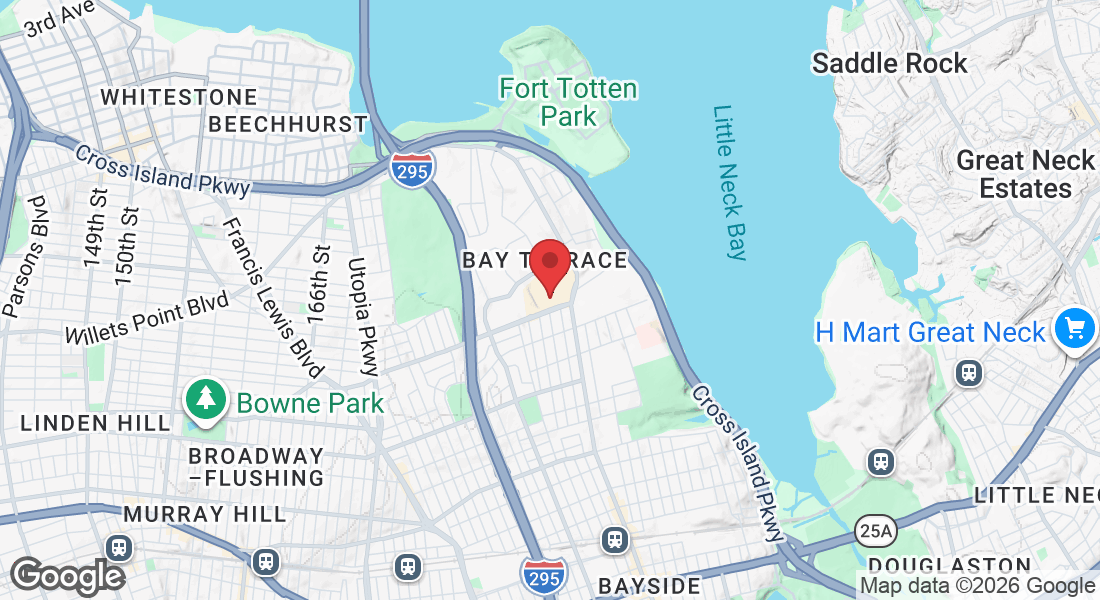
Sean Cohen Insurance is a licensed agency based in Bayside, New York, serving individuals and businesses across the state. All insurance products and services are provided through licensed agents and are subject to underwriting approval, availability, and applicable New York State laws and regulations.

Navigation
Contact
© Copyright 2026. Sean Cohen Insurance Agency. All rights reserved.