



Home Insurance: Protection That Should Evolve With Your Property
Your home is one of your most significant financial and personal investments.
It’s where your life actually happens.
Where mornings start. Where decisions are made. Where milestones are experienced. Where your time, energy, and money naturally concentrate over the years.
And because of that, it becomes more than just property—it becomes stability.
But here’s the issue most homeowners don’t realize:
While your home evolves every year, your insurance policy often doesn’t.
It gets set once—usually at the time of purchase—then left untouched for years. Sometimes decades.
And that gap between “what your home is today” and “what your policy assumes it is” is where risk quietly builds.
Not obvious. Not immediate. But very real.
Why Home Insurance Isn’t a “Set It and Forget It” Decision
Most people treat home insurance as a requirement tied to buying a house.
You close on the property, set up a policy, and move on.
It feels finished.
But in reality, home insurance is not a static product—it’s a living protection structure tied directly to your home’s value, condition, and risk profile.
And those things change constantly:
Renovations increase replacement costs
Market shifts affect property value
Inflation changes rebuilding expenses
Lifestyle changes alter liability exposure
New purchases increase personal property value
Over time, these adjustments compound.
If your policy hasn’t been updated alongside them, it slowly becomes misaligned with reality.
What Home Insurance Is Actually Designed to Do
A properly structured home insurance policy is meant to provide comprehensive financial protection across several core areas:
1. The Physical Structure of Your Home
This covers the cost to repair or rebuild your home if it is damaged or destroyed due to covered events such as fire, storms, or other sudden losses.
But here’s the important distinction: it’s not based on market value—it’s based on rebuild cost. And that number changes over time.
2. Your Personal Belongings
Everything inside your home has value—furniture, appliances, electronics, clothing, and personal items.
Over time, most households accumulate far more than they realize. Without updated coverage, those items may not be fully protected.
3. Liability Protection
This covers you financially if someone is injured on your property or if you’re found responsible for damage to someone else’s property.
As your assets grow, this becomes increasingly important.
4. Additional Living Expenses
If your home becomes uninhabitable due to a covered event, this portion of your policy helps cover temporary housing, meals, and related costs while repairs are made.
Each of these components works together to maintain financial stability during unexpected events.
Building a More Reliable Protection Structure
A strong home insurance strategy is not complicated—but it is intentional.
It should be:
Reviewed regularly
Updated when life changes occur
Structured based on current replacement costs
Aligned with your financial position today—not years ago
Carriers like Allstate offers flexible coverage options, but the real value comes from how those policies are structured around your specific situation.
The company matters—but the design matters more.
A Smarter Way to Think About Home Insurance
Home insurance should not feel like a static requirement.
It should function as a financial safeguard that evolves alongside your home and lifestyle.
When structured properly, it:
Protects your largest asset
Maintains financial stability after unexpected events
Reduces uncertainty during recovery
Ensures you’re not exposed to avoidable risk
It becomes less about paperwork—and more about confidence.
Final Thought: Confidence Comes From Clarity
Most homeowners don’t need more insurance.
They need clear, updated, properly structured insurance.
Because when your coverage reflects reality, you don’t have to wonder whether you’re protected.
You already know.
And that certainty is what matters most when something unexpected happens.
👉 If your policy hasn’t been reviewed recently, now is the right time to make sure everything still aligns with your home today—not the version of it from years ago.
About the Author
Sean Cohen is a local insurance agent with Allstate, serving clients in his community and helping individuals and families better understand their coverage options—from home and auto to life and business insurance. He focuses on simplifying policy details, identifying potential gaps, and guiding clients toward protection that fits their needs.
Visit Sean’s Allstate Agency Page: Sean Cohen
Here For You When It Matters The Most
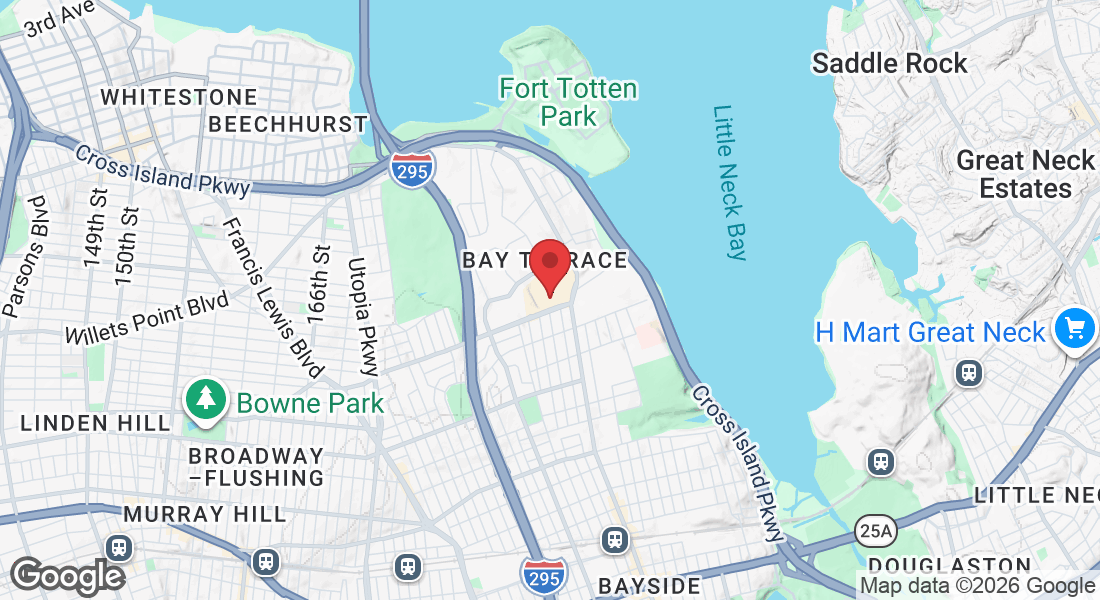
Sean Cohen Insurance is a licensed agency based in Bayside, New York, serving individuals and businesses across the state. All insurance products and services are provided through licensed agents and are subject to underwriting approval, availability, and applicable New York State laws and regulations.

Navigation
Contact
© Copyright 2026. Sean Cohen Insurance Agency. All rights reserved.